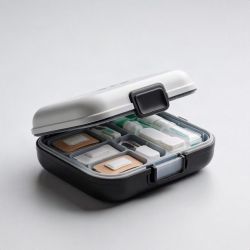
Mini First‑Aid Kit (Refillable) That Will Save Your Life

Introducing Maria, our meticulous planner and talented visual storyteller. She has a knack for discovering those hidden gems, chic boutique spots, and charming little cafes that add a touch of elegance to every journey. With her keen eye for photography and her passion for travel, Maria will transport you to the most enchanting corners of the world, inspiring you to explore new places, one picture-perfect destination at a time.
Imagine a lightweight, refillable first‑aid kit that fits in your car glove box, backpack, or purse. Inside, 70 FDA‑approved single‑dose packets cover pain, allergy, heartburn, nausea, and mild diarrhea—each labeled with drug name and expiration. The kit follows TSA rules and survives 2‑ft impacts with a waterproof shell. You stay prepared for most everyday mishaps without extra bulk. Curious to see how the refill list matches your routes, travel style, and gears, colors, and seasons?
Key Takeaways
- A refillable mini first‑aid kit contains 28 sealed single‑dose OTC packets (pain, allergy, antacid) that meet TSA criteria and are ready for instant use.
- Each refill pack matches the kit’s 28 slots, labeled with drug, dose, and expiration—so you always have the correct treatment ready.
- The kit’s high‑density polyethylene shell resists 2‑ft impacts and is waterproof up to 10 ft, protecting contents during travel or outdoor use.
- Its compact size (≈7–8 in tall × 3–4 in wide) and weight (<0.5 lb) fit easily into pockets, glove compartments, or backpacks for on‑the‑go access.
- Using FDA‑approved medications, the kit complies with ASTM D4169 safety standards, giving you confidence that it will work when the moment arrives.
MFASCO 7-in-1 Travel Medicine Kit TSA Approved

Need a compact, TSA‑approved kit that fits in any carry‑on or briefcase? The MFASCO 7‑in‑1 unit packs 28 single‑dose, over‑the‑counter packets—pain relief, allergy drops, antacid, and more—so you’re never short of an essential remedy. Weighing only a few ounces, its lightweight, sealed container slides comfortably into bags or briefcases, meeting TSA travel‑medicine guidelines without hassle. Each packet delivers an accurate dose, eliminating the risk of under‑ or overdosing—perfect for quick refills on the go. As a U.S.‑assembled product, MFASCO upholds strict quality‑control standards, guaranteeing reliable sourcing and compliance for every traveler. Pack it down, travel confidently, stay ready always.
Best For: Travelers and commuters who need a TSA‑approved, lightweight kit of single‑dose over‑the‑counter remedies for quick, reliable relief on the go.
Pros:
- TSA‑approved, ensuring hassle‑free travel through airport security.
- 28 pre‑packed, single‑dose units simplify accurate dosing without measuring.
- Compact, U.S.‑assembled design fits neatly in carry‑on bags or briefcases.
Cons:
- Limited to over‑the‑counter medicines; no prescription or advanced first‑aid supplies included.
- Fixed content may not cover every medical situation a traveler could encounter.
- Single‑dose packets restrict flexibility for variable dosing or repeated use.

- Great For Refilling Smaller First Aid Kits for On the Go or Travel. Assembled in USA.
- Compact and easy to carry wherever you go
- Unit-Dose Packets of Medication for Ease of Use
- Contains the Most Often Used OTC Medications: Ibuprofen 200 mg tablets, Aspirin, Non-Aspirin, Diarrhea Relief, Stomach Upset Relief, Sinus and Allergy Relief
Portable Compact Waterproof Mini First Aid Kit Black

Whether you’re heading out on a weekend hike or simply commuting between meetings, this slim black first‑aid kit puts life‑saving supplies right at your fingertips, so you can stay prepared without bulk. Inside, professional‑grade staples—bandages, soap wipes, povidone‑iodine cotton swabs, tweezers, and a tourniquet—cover cuts, scrapes, sprains, and bleeding. Measuring just 7.09 × 4.53 × 1.81 in and weighing 0.48 lb, it slides easily into backpacks, briefcases, or car trunks. A durable PU case, waterproof laminate lining, and categorized sleeves keep tools dry and instantly accessible, making it trustworthy for homes, offices, or any outdoor adventure. It’s ideal for emergencies, road trips, or daily commutes.
Best For: commuters, hikers, and anyone who needs a lightweight, waterproof first‑aid kit for daily ease and quick emergency response.
Pros:
- Compact and ultra‑lightweight (just 0.48 lb) for effortless carry.
- Durable, waterproof PU case with laminate lining keeps supplies dry.
- Organized, categorized sleeves enable instant access to essential supplies.
Cons:
- Limited capacity; not suitable for large or complex injuries.
- Lacks some specialized medical items found in larger kits.
- Small quantity of supplies may not last long in high‑usage scenarios.

- PROFESSIONAL-GRADE COMPLETE SUPPLIES: Packed with over quality essentials including assorted bandages,soap wipe, povidone-iodine cotton swabs,tweezers, and a tourniquet to handle cuts, scrapes, sprains, and emergency bleeding effectively.
- ULTRA-PORTABLE TRAVEL-FRIENDLY DESIGN: Measures 7.09 x 4.53 x 1.81 Inch and weighs only 0.48 Ib with premium zippers and waterproof coating PU material,making it perfect for outdoor adventures or on-the-go emergency preparedness.
- COMPARTMENT ORGANIZATION: Features independent categorized sleeves and clear section division to ensure quick access to needed supplies in urgent situations, helping minimize treatment time when every second counts.
- WATERPROOF DURABLE CONSTRUCTION: Crafted with high-grade waterproof PU material and enhanced hard case for long-lasting use; smooth PU surface is easy to clean while waterproof laminate bags protect internal supplies (Please do not soak).
- MULTI-SCENARIO EMERGENCY READY: Ideal for homes, offices, cars, schools, and workplaces as well as camping, hiking, boating, travel, and road trips—providing comprehensive protection for families, professionals, and outdoor enthusiasts alike.
Travel First Aid Kit, 64-Tablet TSA Mini

What if you’re a business traveler who needs a quick, one‑stop fix for headaches, allergies, and morning‑sickness—plus a Kleenex‑sized product that won’t trigger a security hold? You’ll find nine brand‑name OTC tablets, each in its own sealed dose, ready to battle pain, heat cramps, nausea, and irritants. You can also hold six adhesive bandages, blister cushions, sting‑relief pads, and antiseptic wipes to mend cuts, blisters, and bites on the fly. Because there are no liquids, your package clears the 3‑1‑1 rule instantly and slips into any carry‑on, purse, or glove box. It blocks sweat and spills, keeping pills organized.
Best For: business travelers, weekend adventurers, and global explorers who need quick, liquid‑free relief for headaches, allergies, and nausea on the go.
Pros:
- TSA‑compliant, 3‑1‑1 rule guaranteed
- Compact, water‑resistant, fits carry‑on or glove box
- Individually sealed single‑dose OTC tablets for hygiene and instant access
Cons:
- Limited to nine tablets and four first‑aid items
- No liquids or larger supply options for extended trips
- Requires reloading or reshuffling after use

- TRAVEL MEDICINE VARIETY PACK for ANY ADVENTURE-Stay ready anywhere with 9 essential OTC medications, expertly chosen for headaches, allergies, motion sickness, upset stomach, heartburn, and more—perfect for business travelers, weekend adventurers, and global explorers
- BONUS FIRST AID ESSNTIALS INCLUDED-More than just medicine—this kit also includes adhesive bandages, blister cushions, sting relief pads, and antiseptic wipes for minor cuts, bites, and blisters. Perfect for hikers, campers, or travelers dealing with the unexpected.
- TSA-COMPLIANT & CARRY-ON SAFE-No liquids, no hassles. Our compact Travel Essential Medication Pack meets TSA 3-1-1 rules for carry-on luggage—perfect for air travel, road trips, cruises, and backpacks. Enjoy peace of mind as it passes through airport security without delays.
- TRUSTED OTC MEDICATIONS—Individually Packaged for Convenience-Features name-brand over-the-counter medications like Ibuprofen, Non-Aspirin, Antacid, and Diotame—each securely sealed in single-dose packets for hygiene, safety, and quick access when you need it most.
- COMPACT & WATER RESISTANT- Designed for convenience and durability. The first aid bag fits easily in a carry-on, purse, backpack, or glove box. Organize your pills without bulky bottles—refill as needed.
70 First Aid Kit Medication Refills

Ever find yourself scrambling for the right dose in an emergency? You’ll appreciate the 70‑count unit‑dose packet pack that keeps every medicine in its proper place. Each pocket‑size packet holds a single, correct dose of non‑aspirin ibuprofen, aspirin, antacid, antihistamine, sinus relief, or diarrhea relief, yet it meets U.S. OTC standards. Because the units are individually labeled, you can rummage out the exact remedy without opening bulk bottles. Ideal for desks, backpacks, gym bags, or glove compartments, this refill kit fits home, office, dorm, travel, or camping setups, saving space while keeping your medicine steady. For peace of mind.
Best For: Busy families, travelers, and on‑call professionals who need quick, organized access to everyday OTC medications without rummaging through bulk bottles.
Pros:
- Convenient, single‑dose packets keep you from over‑or‑under‑dosing.
- Compact, pocket‑sized packs fit easily into desks, backpacks, and glove compartments.
- Individually labeled units reduce search time in an emergency.
Cons:
- Limited to only 70 specific medications—doesn’t cover brand‑name or specialty drugs.
- The unit‑dose approach may feel wasteful if a medication is rarely needed.
- Initial cost can be higher than bulk bottles for those who already have a stocked medication pantry.
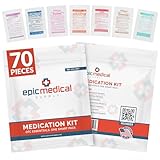
- CONVENIENT MEDICATION REFILL ASSORTMENT – includes 70 unit dose packets featuring commonly used OTC meds: non-aspirin, ibuprofen, aspirin, antacid, antihistamine, sinus relief, and diarrhea relief—ideal as 1st aid kit refills or building a compact emergency medicine kit pills supply for home or on the go
- UNIT DOSE PACKETS FOR EASY USE – each medication is individually packaged in clearly labelled, pocket-size packets with the correct dose inside—perfect for quick access when you need it. Keep your medical kit medicine supplies organized and accessible without bulky bottles or pill organisers
- IDEAL FOR TRAVEL, WORK, OR THE ROAD – compact and portable for everyday life—keep a few in your desk drawer, backpack, gym bag, or glove box. Whether you’re commuting, camping, or away at college, this medicine assortment has your emergency needs covered wherever you are
- ASSEMBLED IN THE USA WITH QUALITY YOU CAN TRUST – proudly packed in the USA meeting quality standards for over-the-counter medications. Designed to support your existing medical kit medicine setup with trusted essentials you’re likely to reach for most
- RELIABLE 1ST AID KIT REFILLS – designed for refilling home first aid kits, office wall-mounted stations, personal medical kits, or travel packs. This emergency medicine kit pills set keeps your kit stocked with essentials people use often—without overpacking or missing key items
DMI Mini 20-Piece First Aid Kit

If you need a compact, lightweight first‑aid solution that fits right in a small bag or desk drawer, the DMI Mini 20‑Piece kit is your go‑to. Its 4 inch by 3.5 inch footprint keeps it ultra‑portable while weighing just 0.13 lb. Inside, you’ll find six alcohol swabs, two gauze pads, a bandage roll, tape, and ten blister‑size adhesive bandages—enough to treat scrapes, cuts, blisters, and minor burns. Pack it in your car’s glove box, textbook bag, or carry‑on. Its water‑resistant case protects supplies from moisture and accidental spills. If you need a larger arsenal, the brand offers 76‑, 175‑, and 298‑piece models—customizable based on adventures.
Best For: travelers, commuters, and office workers who need a compact, lightweight first‑aid solution for everyday minor cuts, scrapes, blisters, or burns.
Pros:
- Ultra‑compact size (4″ × 3.5″) and light weight (0.13 lb) for easy portability.
- Includes essential items: alcohol swabs, gauze, tape, bandage roll, and 10 adhesive bandages.
- Water‑resistant case protects contents from moisture and accidental spills.
Cons:
- Limited quantity may be insufficient for multiple or more serious injuries.
- Lack of advanced supplies (splints, emergency blankets, gloves).
- Not ideal for prolonged medical needs or for use by more than one person.

- The first aid kit is small, portable and includes 20-pieces, making it perfect for your car, travel, bookbag, carry-on luggage, desk drawer, handbag, and more!
- This travel bandaid kit includes the essentials for common minor cuts and scrapes. (6) Alcohol swabs (2) Gauze Pads (1) Bandage Roll (1) Bandage Tape (10) Adhesive bandages of various sizes.
- The travel-size case is durable and water-resistant and protects the contents from moisture and damage while keeping everything organized and accessible.
- Everyday Emergency Preparedness for home, work, travel, hiking, road trips, or school—perfect for treating minor cuts, scrapes, blisters, and burns when professional care isn’t immediately available.
- Case Dimensions: 4″ W x 3.5″ H x 1″ D. Weight: .13lbs. Piece Count: 20. If you're looking for a slightly larger, but still perfectly portable first aid kit, try out our 76, 175, or 298 piece kits!

General Medi 110-Piece First Aid Kit with Blanket

Whether you’re hiking a trail, driving a family car, or packing a weekend getaway, the General Medi 110‑Piece First‑Aid Kit keeps essential care within arm’s reach. You’ll find 110 hospital‑grade supplies—bandages, gauze, tape, scissors, wipes—and a handy emergency foil blanket—all compact in a 0.35‑lb pouch that fits in a glove compartment, backpack, or desk drawer. The pouch seals against moisture and impact, keeping tools ready for minor wounds or small trauma. Certified to meet global safety standards, it satisfies international first‑aid regulations. Carry it at home, school, office, boat, or in your car for peace of mind whenever an emergency strikes and help you stay safe.
Best For: families, hikers, and everyday travelers who need quick, reliable emergency care at hand.
Pros:
- 110 hospital‑grade supplies for comprehensive first aid.
- Ultra‑light 0.35 lb pouch for easy portability.
- Includes a foil blanket for instant protection.
Cons:
- Lacks liquid antiseptic; relies on wipes.
- Minimal capacity for larger, complex wounds.
- Shorter shelf life if exposed to high humidity.

- Security And Reliability - All of our first aid products carry certificate of conformity to ensure conformance to global standards wherever they are used.
- Contents – Packed with 110 Pieces useful and valuable hospital grade first aid supplies - See the product images and the product description below for a full list of contents. We are confident that you will find that there are more and higher quality contents in our kits than any other on the market.
- Design - For maximum efficiency and portability, this basic first aid kit weighs only 0.35 pound and features a compact, travel-friendly design. Perfect for cars , schools , boat , children and more
- Comprehensive Care - This ultimate survival kit consists of everything that you need to clean and dress minor wounds in a convenient mini pouch . Our first aid bag also includes a premium selection of emergency-preparedness supplies, giving you the peace of mind that you deserve for small trauma during every adventure at home, school, office, and the outdoors.
- HIGH QUALITY - You need first aid kit that's as tough as you are, which is why we sell high quality products that are built to last.
RHINO RESCUE Small First Aid Kit

You’ll find the RHINO RESCUE Small First Aid Kit a game‑changer for anyone who needs an emergency solution that’s light enough to slip into a pocket, strap, or vehicle tie‑down, yet still holds 79 high‑quality supplies for cuts, blisters, burns, and more. Crafted from lightweight nylon, the empty kit weighs just 20 g (0.44 oz) and is fully waterproof, keeping every item dry during rain or water‑heavy adventures. The compact 7.1 × 3.9 × 1.2‑inch case packs 79 essentials—bandages, gauze, antiseptic wipes, blister treatments—without bulk, and its 180 × 100 × 30‑mm size lets you slide it into any backpack, helmet strap, or bike rack. Just pack it, you’re ready.
Best For: hikers, cyclists, climbers, and outdoor enthusiasts who need a lightweight, fully waterproof first aid kit that fits in a pocket or bike rack and still contains 79 essential items.
Pros:
- Ultra‑light 20 g dry weight, yet holds 79 high‑quality supplies.
- Compact 180 × 100 × 30 mm case that slips into backpacks, helmet straps, or vehicle tie‑downs.
- Fully waterproof nylon construction keeps contents dry during rain or water‑heavy activities.
Cons:
- No dedicated supplies for severe trauma (e.g., large lacerations or fractures).
- Limited carrying capacity may require additional kits for multi‑day trips.
- Requires regular restocking to maintain readiness, especially for frequent users.

- Premium Material --- We meticulously selected the fabric for the RHINO RESCUE Ultralight First Aid Kit from dozens of materials. Weighing just 20g, made with high-quality Nylon offers an incredibly lightweight solution and increased durability.
- Ultralight & Compact --- Measures just 180×100×30mm and weighs 0.45lb when fully equipped with supplies, making it easy to carry in any bag or backpack. We've made every effort to ensure that the small first aid kit doesn't become a burden during your outdoor activities.
- Comprehensive Supplies --- This first aid kit includes 79 high-quality emergency essentials and supplies, catering to minor wounds, cuts, scrapes, burns, cold, and blister prevention. We have selected only the first aid contents that are most needed outdoors, in order to find a balance between practicality and light weight.
- Enjoy Your Activity --- Transition seamlessly from backpacking, hiking, climbing, camping to kayaking without needing to alter your first aid kit. The mini first aid kit is indispensable for outdoor activities. This medical kit is also a valuable asset for car, vehicles and bicycles in case of unexpected moments.
- RHINO RESCUE --- RHINO RESCUE is a professional pre-hospital first aid & IFAK supplier. Based on the concept of fast, efficient and scientific transfer of emergency care, we continuously improve and innovate our products, providing premium first aid supplies to worldwide front-line emergency medical personnel. In the EMS specialty, we are your professional partner.
Thrive Mini First Aid Kit – Compact Travel Essentials

For anyone who travels light—whether it’s a commuter, a backpacker, or a frequent flyer—the Thrive Mini First Aid Kit delivers 66 fully‑organized items in a single, 600 D nylon case that slips straight into any purse or backpack, keeping you prepared without adding bulk.
Made from 600 D polyester nylon, the case feels tough yet remains lightweight. Inside, you’ll find gauze, bandages, antiseptic wipes, tweezers, scalpels, and scissors—all neatly sorted. Whether you’re in a car, on a hike, or at sea, you can pull it out quickly, patch a cut or manage an insect bite without hassle right now instantly.
Best For: Anyone who needs a compact, all‑round first‑aid solution for on‑the‑go situations—such as commuters, hikers, backpackers, and frequent travelers.
Pros:
- Lightweight and compact, fits easily in a purse, backpack, or car.
- Comprehensive 66‑piece kit with organized layout, including gauze, bandages, antiseptic wipes, tweezers, scalpels, and scissors.
- Durable 600 D polyester nylon case that resists water and protects contents.
Cons:
- Only suitable for minor medical issues, not for serious emergencies.
- The assortment may overwhelm users who prefer a simpler kit.
- Small size limits inclusion of larger supplies needed for more complex situations.

- Compact Travel Safety: The Thrive Mini First Aid Kit provides a comprehensive 66-piece set, ensuring readiness for minor emergencies on the go. Its compact design makes it an indispensable travel first aid kit and travel emergency kit
- Durable and Reliable: Constructed from resilient red 600D polyester nylon, this kit withstands diverse environments. It serves effectively as a first aid kit for car journeys or a reliable camping first aid kit
- Versatile Preparedness: This thoughtfully organized mini emergency kit is perfect for home and outdoor use. It meets various needs, including a personal first aid kit for hiking and a compact first aid kit for travel
- Convenient Portability: The lightweight and compact nature allows for easy storage in purses or backpacks. This mini first aid kit bulk option ensures your first aid kit travel essentials are always within reach
- Thoughtful Emergency Companion: Designed for versatility, it is a valuable addition to a cruise first aid kit or a diaper bag first aid kit. Its extensive contents cater to diverse needs, ensuring preparedness for life's unexpected events
Factors to Consider When Choosing a Mini First-Aid Kit (Refillable)
When you pick a refillable mini first‑aid kit, think first about its size and capacity—make sure it fits your needs without becoming a weighty carry. Next, confirm the kit offers a good medication variety and easy refill options from local pharmacies. Finally, choose a durable case with strong seams and a slim, portable design so it stays in your pocket, bag, or glove compartment.
Kit Size & Capacity
Because space is at a premium on the go, the size and capacity of a mini first‑aid kit dictate what you can pack comfortably. A standard kit that slips into a purse measures roughly 7 × 5 × 2 inches and weighs under 0.5 lb, while versions compress to 7.1 × 3.9 × 1.2 inches, small enough for a shoe or glove compartment. A 110‑piece set folds into a pouch, still holding gauze, bandages, a foil blanket, and scissors, totaling 0.35 lb. Refillable options with 70 to 80 single‑dose packets balance coverage and lightness for frequent travel. A 66‑piece, waterproof case fits into a hiking pack or car for wound‑care access. If you anticipate hikes or city adventures, choose a kit that packs into a pouch yet offers tools, ensuring you stay prepared without sacrificing comfort.
Medication Variety
Every traveler will benefit from a refillable mini‑first‑aid kit that you’ll find essential for common pain, allergy, heartburn, nausea, and diarrhea concerns. When you build a kit, choose five core medication categories: pain relief with acetaminophen or ibuprofen, allergy relief using diphenhydramine or loratadine, heartburn relief via magnesium hydroxide, anti‑nausea with meclizine or dimenhydrinate, and mild anti‑diarrheal using loperamide. Pack each into single‑dose units—pain 150 mg, antihistamines 10 mg—to guarantee accurate dosing without extra containers. A balanced set of 25 to 30 packets covers about 70 % of common OTC choices while staying under 8 × 4 × 2 in. Track expiration dates and keep a one‑day reserve of high‑priority meds so you’re never left short on the essentials. This compact approach keeps your pack lightweight, for day‑trippers or frequent flyers.
Refill Availability
To keep your mini‑first‑aid kit ready for any trip, make sure the refill system accepts plug‑in unit‑dose packets so you can swap a single dose without reassembling the whole set. First, guarantee each refill pack mirrors the kit’s slot count—if you have a 28‑slot correlate, a 28‑packet refill keeps every position filled. Next, verify that every packet lists the drug name, dose, and expiration, so you never misidentify a treatment in an emergency. Then examine the supplier’s catalog for FDA‑approved, liquid‑free packaging; this guarantees safe storage and transport. Finally, compare prices: unit‑dose packs usually run $1–$3, helping you budget recurring inventory without breaking the bank. Because each new dose is a single unit, you’ll cut inventory volume and storage space overall efficiently wherever possible.
Durable Construction
When you’re looking for a kit that can shoulder everyday wear and tear, start with the shell’s material. Choose high‑density polyethylene or polyurethane, which resist scratches and deformation, keeping your kit intact for 2–3 years. If you’ll drop it, opt for a 1.8‑inch ABS or polycarbonate shell that survives 2‑ft impacts per ASTM D4169. It meets professional safety standards critical for outdoor safety, verified, tested. A thin waterproof laminate lining—about 0.12 mm thick—keeps contents dry even after brief submersion up to 10 ft. The kit stays light, under 0.5 lb when full. Inside, a 600 D nylon modular system, rated 50 kN tensile strength, keeps supplies secure during long excursions. This durability lets you focus on first‑aid decisions instead of worrying that your kit will fail during stressful moments today.
Portability Features
Because you need instant access in an emergency, a portable mini first‑aid kit must weigh under 0.5 lb and fit comfortably in a pocket, backpack, or glove box. Its compact size—around 7–8 inches tall, 3–4 inches wide, and under 2 inches deep—lets it slide into a wallet or jacket pocket without bulk. Many kits also feature sleek, waterproof shells that keep med‑supply dry even during rain or travel. Modular compartments or built‑in sleeves help you locate gauze, wipes, or bandages instantly, cutting response time. Lightweight, refill‑friendly designs often use unit‑dose packets, so you can replace individual contents without a full bottle. When you’re out on a trail, in the car, or at home, these portability perks guarantee your first‑aid kit is ready when life demands it, for anyone.
Compliance Standards
Even though a portable, refillable first‑aid kit offers undeniable convenience, you still need to confirm it meets several regulations. We focus on key compliance criteria, confirming your kit is compliant worldwide. TSA mandates non‑liquid items for airport travel, so check that each refill pack consists of packets with non‑liquid prescriptions. FDA rules require labeling under CFR 21, which confirms each dose is accurate and meets safety standards. CE marking confirms compliance across the EU, covering hazardous material handling and packaging directives. ISO 7396 sets minimum supplies and modular organization rules, while ASTM F1560 certifies packaging material resists moisture, impact, and temperature, confirming content safety during transport. Choose a brand that lists all certifications, making it easier to verify compliance before purchase and transit and support here today.
Frequently Asked Questions
Is the Mini First-Aid Kit Suitable for Pets?<Br/
Yes, the mini first‑aid kit is suitable for pets. You can use it for minor cuts, scrapes, or allergic reactions your furry friends might face during walks or playtime. The pack holds enough gauze, antiseptic wipes, and bandages to tackle typical pet emergencies, and its portable design means you’ll have it handy wherever you go. Just make sure you store it safely away from your pet’s reach in 24‑hr emergencies.
What Is the Recommended Storage Temperature Range for Medical Supplies?<Br/
Picture your medicine as a delicate flower that blooms best in a gentle breeze—this is why you should keep it between 32°F and 86°F (0°C to 30°C). Fluctuations beyond that, and the petals wilting or sprouting mold, weaken it. Store in a cool, dry place, avoiding direct sunlight or extreme heat, and you’ll guarantee every dose remains true and potent. Feel the calm assurance as each treatment stays steadfast daily.
How Long Before I Should Replace Adhesive Bandages in the Kit?<Br/
Keep an eye on each pack’s expiry. If the bandages are unopened, replace them every 12–18 months, but if you’ve opened a pack, swap it within six months, especially if the adhesive feels stiff or the paper crinkles. Store them in a cool, dry spot—no heat or humid areas—so they stay tacky and safe for all your trips and always keep a backup ready to play it safe for peace.
Can I Treat a Broken Bone With a Mini First-Aid Kit?<Br/
Surely this kit can turn a shattered bone into a spry new marvel. You can’t fully treat a broken bone, but you can immobilize it until help arrives. Wrap the limb with a clean bandage, apply a rigid splint, pad the area, and keep it still. Then rush to urgent care. The kit supplies splints, gauze, and pain relief—helping to stabilize, not cure, the break, and stay calm while waiting.
How Should I Dispose of Used Medical Materials After a Trip?
First, separate sharps like needles and syringes from soft waste. Place them in a puncture‑proof container with a lid, then toss into the nearest hazardous‑waste bin available at your lodging or local health facility. For other items (bandages, gauze, ointments), wrap them in zip‑sealed bags and put them in regular trash if no biohazard option exists. Finally, wash any reusable gear with soap and water, right after, before storing it.
Conclusion
You might think a 7‑in‑1 pocket pack is a myth, but you’re about to put that idea to rest. When you zip your travel kit into a carry‑on, you’ll feel the power of tiny bandages, antiseptic, and one miracle pill—just in case the Wi‑Fi cuts. Ironically, the thing that keeps your adventure painless could also keep you alive, and you’ll thank your pocket for its stoic bravado in the grand saga of travel inconveniences today.
First Aid Kit, Refillable Kit, Single Dose Packets