Best Satellite Messenger Device (Off-Grid Check-Ins) Connected

Introducing Maria, our meticulous planner and talented visual storyteller. She has a knack for discovering those hidden gems, chic boutique spots, and charming little cafes that add a touch of elegance to every journey. With her keen eye for photography and her passion for travel, Maria will transport you to the most enchanting corners of the world, inspiring you to explore new places, one picture-perfect destination at a time.
Prefer the Garmin GPSMAP H1i Plus with inReach. It guarantees global satellite coverage, so you can send check‑ins from any remote corner. The built‑in SOS feature dispatches your GPS coordinates to a 24/7 monitoring center, while its powerful battery gives up to 145 hours of idle life. The rugged, IP68‑sealed case withstands drops and rain, for reliable off‑grid navigation and long‑range messaging including charging options. If you need more details or how it compares to ZOLEO today, keep exploring.
Key Takeaways
- ZOLEO offers lowest‑cost multisource connectivity with 900‑char SMS, 200‑hour battery, IP68 waterproof protection.
- Garmin GPSMAP H1i+ combines a robust sun‑readable touchscreen, inReach satellite link, 145‑hour battery, IP67 and MIL‑STD 810G ruggedness.
- Both devices automatically switch to Iridium when cellular/Wi‑Fi is unavailable; satellite messaging costs $0.95–$4.50 per message yet provides 100 % global coverage.
- Battery performance drops 30 % per 10 °C below 10 °C; a portable solar charger can add 1–2 days of operation; Li‑ion cells retain ~75 % capacity after ~500 cycles.
- SOS features include 24/7 monitoring, GPS location, siren/flashlight, photo uploads; Garmin’s Global Rescue offers medical aid, while ZOLEO partners with UNICEF for rescue services.
ZOLEO Satellite Communicator: Global Messaging, SOS, GPS

If you’re a backcountry explorer, outdoors enthusiast, or anyone who spends time off the grid, the ZOLEO Satellite Communicator is your lifeline. You pair the ZL1000 with Android or iOS phones by Bluetooth, Wi‑Fi, or cellular, letting you send two‑way global SMS, email, or up to 900‑character text through Iridium or cheaper networks. Built‑in GPS tags every message and supports check‑ins, waypoint sharing, and weather updates. In an emergency, an SOS ping with your location contacts a 24/7 center, and with Global Rescue you get medical aid or extraction. The IP68 case and 200‑hour battery keep it reliable off‑grid.
Best For: Off‑grid hikers, remote workers, and adventure seekers who need reliable global communication without relying on terrestrial networks.
Pros:
- Global two‑way SMS, email, and 900‑character text that automatically selects the cheapest network (Iridium, cellular, or Wi‑Fi).
- Built‑in GPS tags every message, enables check‑ins, waypoint sharing, and weather updates.
- 200‑hour battery life and IP68‑rated, rugged design for harsh environments.
Cons:
- Premium upfront cost and optional Global Rescue membership add to total expense.
- Limited to 900 characters per message, which may constrain detailed communication.
- Satellite dependence can lead to higher latency and increased power usage in remote areas.
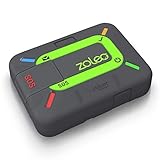
- Global satellite messaging: Stay connected beyond cell coverage, use ZOLEO with your smartphone to transmit text messages and e-mails over the Iridium satellite network, cellular or Wi-Fi using the lowest-cost network available (service plan required)
- Emergency SOS: Send an SOS alert with your GPS location to 24/7 emergency monitoring center if something goes wrong, or access Medical Assist for non-emergency help
- Optional Travel Risk Management Coverage: Feel more secure wherever you go with a Field Rescue Membership from Global Rescue. Affordably priced, this travel risk management add-on offers immediate medical coverage for safe extraction and transportation to the nearest capable medical facility.
- Dedicated SMS number: An assigned ZOLEO SMS number and email enables contacts to reach out directly when you're off the grid
- Check-in: Send unlimited check-ins via the ZOLEO device or app, included in your plan
Garmin GPSMAP H1i Plus inReach Off‑Grid Navigator

When you step beyond the reach of cell towers, the Garmin GPSMAP H1i Plus becomes your lifeline: it’s 3.5‑inch, sunlight‑readable touchscreen feeds preloaded TopoActive maps while its built‑in inReach radios let you text, share photos, and trigger an SOS to Garmin Response—so you’ll stay connected, even in the most remote spots. The bundle includes the device, a Signature Series power pack, and wrap. Buttons help when the touchscreen struggles. Multi‑band GPS, GNSS, and 3‑axis compass provide precision. MIL‑STD 810/IP67 rating and a 145‑hour battery let you trek ridges or valleys with confidence, plus a siren alarm and flashlight double as emergency beacons.
Best For: Outdoor explorers and field crews who need reliable satellite navigation and communication in truly off‑grid environments.
Pros:
- Ultra‑compact, lightweight design with a 3.5″ sunlight‑readable touchscreen that remains usable in harsh lighting.
- Built‑in inReach satellite radio for two‑way text, photo transfer and 24/7 SOS support without cellular coverage.
- Long‑lasting 145‑hour battery, MIL‑STD 810/IP67 ruggedness, and optionalSignature Series power solutions for extended trips.
Cons:
- Depends on an external inReach subscription for satellite data, adding ongoing cost.
- Battery life, while impressive, can still run down if multiple satellite services are used simultaneously.
- The touchscreen can be less responsive than dedicated physical buttons in extreme cold or wet conditions.

- BUNDLE INCLUDES: Garmin GPSMAP H1i Plus Premium GPS Handheld with inReach, Signature Series Power Bundle, and Signature Gift Wrap
- BRIGHT TOUCHSCREEN: Rugged GPS handheld navigator boasts a sleek hybrid design offering a bright 3.5" touchscreen that is sunlight readable, glove-friendly and has chemically strengthened glass to resist scratches; plus, physical buttons provide more versatility in any conditions. Long battery life up to 145 hours in all Satellite Systems + Multi-band mode (assuming typical use with SatIQ technology)
- SUPERIOR NAVIGATION: Navigate trails with ease by using preloaded TopoActive maps, downloadable satellite imagery and the option to purchase an Outdoor Maps+ subscription for more premium map content. Multi-band GPS and multi-GNSS support for superior positional accuracy and precise knowledge of where you are. ABC sensors include an altimeter for elevation data, barometer to monitor weather and 3-axis electronic compass
- INTERACTIVE SOS MESSAGEING: With an active inReach satellite subscription, you can trigger an interactive SOS message to the 24/7-staffed Garmin ResponseSM international coordination center for assistance in an emergency (some jurisdictions regulate or prohibit the use of satellite communication devices). Built-in siren alarm can be activated if you are in need. Use the flashlight as a beacon to signal for help. Built to meet MIL-STD 810 with an IP67 water rating
- BUILT-IN CAMERA: The integrated front and back cameras allow you to snap selfies and photos of your trip. With an active inReach subscription, share your photos in real time even without a cellular network. Utilize voice commands to conveniently handle many tasks, including check-ins, start tracking, take a photo and more
Garmin GPSMAP H1i Plus GPS Navigator with inReach

For those trekking into remote backcountry where cell towers vanish, the Garmin GPSMAP H1i Plus pairs a rugged, 3‑band GPS with inReach satellite messaging, letting you send instant SOS alerts to a 24/7 Garmin Response Center—making it the go‑to beacon for solo hikers and adventure seekers.
Unpacking the kit gives you a 2.6×1.3×7‑inch, 9.7‑oz handheld unit featuring a 3.5‑inch sun‑readable screen and glove‑friendly buttons, MIL‑STD‑810 with IP67 water resistance, durable. Multi‑GNSS, ABC sensor, and up to 145 hours of battery provide accurate navigation. You’ll get a 24/7 SOS, siren, flashlight beacon, check‑ins, instant photo uploads via inReach, 1‑year warranty, and 30‑day returns.
Best For: solo hikers and adventure seekers venturing into remote backcountry without cellular coverage.
Pros:
- Rugged, MIL‑STD‑810 and IP67 water‑resistant design for tough environments.
- Multi‑band GPS, multi‑GNSS, ABC sensors, and up to 145‑hour battery provide dependable navigation and long endurance.
- Built‑in inReach satellite messaging delivers 24/7 SOS, photo uploads, siren, and flashlight beacon for emergency communication.
Cons:
- Heavier and larger than some handheld GPS units, adding pack weight on light‑trek missions.
- Requires a subscription for inReach services and optional map layers, increasing ongoing costs.
- Limited native photo‑editing and advanced mapping features, necessitating data export for detailed analysis.

- BUNDLE INCLUDES: Garmin GPSMAP H1i Plus Premium GPS Handheld with inReach, and Signature Series Power Bundle
- BRIGHT TOUCHSCREEN: Rugged GPS handheld navigator boasts a sleek hybrid design offering a bright 3.5" touchscreen that is sunlight readable, glove-friendly and has chemically strengthened glass to resist scratches; plus, physical buttons provide more versatility in any conditions. Long battery life up to 145 hours in all Satellite Systems + Multi-band mode (assuming typical use with SatIQ technology)
- SUPERIOR NAVIGATION: Navigate trails with ease by using preloaded TopoActive maps, downloadable satellite imagery and the option to purchase an Outdoor Maps+ subscription for more premium map content. Multi-band GPS and multi-GNSS support for superior positional accuracy and precise knowledge of where you are. ABC sensors include an altimeter for elevation data, barometer to monitor weather and 3-axis electronic compass
- INTERACTIVE SOS MESSAGEING: With an active inReach satellite subscription, you can trigger an interactive SOS message to the 24/7-staffed Garmin ResponseSM international coordination center for assistance in an emergency (some jurisdictions regulate or prohibit the use of satellite communication devices). Built-in siren alarm can be activated if you are in need. Use the flashlight as a beacon to signal for help. Built to meet MIL-STD 810 with an IP67 water rating
- BUILT-IN CAMERA: The integrated front and back cameras allow you to snap selfies and photos of your trip. With an active inReach subscription, share your photos in real time even without a cellular network. Utilize voice commands to conveniently handle many tasks, including check-ins, start tracking, take a photo and more
Factors to Consider When Choosing a Satellite Messenger Device (Off‑Grid Check‑Ins)
You want a device that reliably connects to the satellite network, so choose one with solid global coverage. Pay close attention to battery longevity—longer life can keep you safe on extended trips. Finally, balance rugged durability, built‑in SOS, and the subscription fees against your budget before you decide.
Connectivity Selection
If you plan to be off‑grid, selecting the right connectivity options is essential because the device will automatically favor the lowest‑cost link when an adequate cellular or Wi‑Fi signal is available. You’ll want to check that your chosen messenger supports seamless handover so it switches to satellite only when other links fail, saving power and latency. Satellite channels offer 100 % global coverage, but they cost anywhere from $0.95 to $4.50 per message and have limited bandwidth, so they’re best for alerts rather than photos. Most devices queue high‑bandwidth content until a clear satellite pass, and many employ store‑and‑forward to keep alerts on schedule even when skies are cloudy. Finally, verify GNSS compatibility; GPS+GLONASS support can drop positional error to about 5 m, boosting rescue accuracy.
Battery Longevity
Because battery life is the lifeblood of any off‑grid satellite messenger, knowing its quirks before you commit is essential. A 20 200‑mAh lithium‑ion pack typically delivers about 200 hours of standby power, but active satellite communication can trim that to roughly 50 hours because the radio draws high power. In cold‑climates below 10 °C, each 10 °C drop can slash output by up to 30 %, shortening mission‑critical run‑time by ≈ 30 %. Your usage pattern matters: regular messaging takes ~150 mAh per hour, while infrequent check‑ins cut that to ~30 mAh per hour, extending life. Adding a portable solar charger that yields 10‑15 kWh/day pushes operation an extra one to two days. Most lithium‑ion cells hit 500‑1 000 cycles before falling to 75 % of capacity, ending the usable life. Plan your mission profile accordingly to maximize these gains now.
Durability Standards
When you choose a satellite messenger for off‑grid check‑ins, first ask for MIL‑STD‑810G certification, which guarantees it can survive temperatures from ‑40 °C to +55 °C, vibration up to 4 kHz, and drops from 1.3 m to 3 m without losing reliability. Explore an IP68 rating, which seals the device from dust and allows permanent immersion of one meter for half an hour, and consider IP67 for one‑meter sudden dips that last thirty minutes. Standardized high‑impact tests certify shock absorption from 320 g to 1,000 g, protecting internal circuitry through repeated drops. MIL‑STD‑810G Section 8‑8 ensures performance at 95 % humidity for two days, preventing condensation‑related failures. Battery containment standards keep lithium‑ion cells sealed, stopping leaks after jarring or sub‑mersion. By meeting these rugged standards, you’ll guarantee your satellite messenger stays operational in harsh environments.
SOS Functionality
Even though satellite networks blanket even the most isolated corners, the value of your SOS feature hinges on how fast and reliably your device can push an emergency alert to a 24/7 monitoring center. Make sure the built‑in keypad SOS activates instantly—pressing a dedicated button or entering a preset combo sends the alert right away. Your coordinates will travel via Iridium or a similar global satellite network, ensuring coverage even when cellular towers or land‑based Wi‑Fi are absent. If the satellite link struggles, many models include a dialer‑SOS that rings local emergency numbers like 911 once a terrestrial connection appears, giving rescuers additional context. Finally, pick a device that logs your location when you miss a check‑in; a self‑SOS keeps a safety net alive.
Subscription Fees
Although the satellite networks themselves are ubiquitous, the subscription fees to stay connected can vary wildly. You’ll find basic text‑only plans ranging from $12 to $25 a month; premium bundles that add photos or audio push costs to roughly $35. Most services offer a free tier—about 30 to 50 texts each month—after which you pay between $0.50 and $1.00 for every extra message. Unlimited texting typically runs $15 to $20 monthly but caps you at 160 characters per message, and images or audio still incur fees. Emergency coverage, a 24/7 SOS monitor, appears in higher tiers for an additional $5 to $10. Paying annually can shave 10–15 % off the monthly rate, sometimes leaving you around $10 per month. Enjoy freedom on your journeys.
GPS Precision
Accuracy is the currency of off‑grid navigation, and it hinges on a satellite messenger’s multi‑band, dual‑frequency receiver. It cuts ionospheric delay errors, boosting horizontal precision below 5 m—half what single‑frequency units deliver at 10–15 m. Supporting GPS, GLONASS, Galileo, and BeiDou multiplies visible satellites, slashing the dilution of precision and nudging average accuracy to about 3–4 m. A ≥1 Hz update rate lets you track in real time and estimate velocity accurately, a must when a 2–3 m error could mean lost footing in canyon terrain. Precise ephemeris and ionospheric corrections downloaded over Iridium trim satellite‑clock errors, tightening your fix. Finally, a robust local antenna mounted far from metal surfaces cuts multipath; under clear skies you’ll see points within 5 cm of true location for critical safety and trust.
Interface Usability
When you’re out in harsh conditions, a bright 3.5‑inch touchscreen that stays readable under direct sunlight, together with glove‑friendly physical buttons, lets you send a check‑in or trigger an SOS in seconds. The display delivers more than 80 % visibility, while the sticky touch surface feels solid even in gloves. Voice‑command activation lets you start check‑ins, trigger SOS alerts, or take photos hands‑free, cutting response time by up to 40 %. The built‑in GPS map shows high‑contrast routes, automatically appends coordinates, and lets you zoom or drag for detail. A color‑coded battery bar refreshes every ten minutes, and the device switches to the cheapest link—satellite, cellular, or Wi‑Fi—without you having to intervene. All these features keep you connected while you focus on the trail, not tech.
Accessory Options
Beyond the user‑friendly interface, you’ll want the right accessories to keep you connected from trailhead to summit. Most units ship with a lanyard and carabiner, letting you clip the messenger to your gear or belt securely. A USB charging cable and a quick‑start guide get you online without hassle. Optional add‑ons deliver advanced weather forecasts or expand the message limit to 900 characters for long‑form logs. A rescue‑membership routes emergency alerts to a 24/7 monitoring center and offers immediate medical coverage. For extended hikes, portable power banks or rechargeable lithium‑ion packs give you more than 200 hours of battery life, so you stay powered until you reach the last checkpoint. Pick gear that matches your activity level, terrain, and weather or rescue needs today.
Frequently Asked Questions
How Long Does a Satellite Messenger Last on a Single Charge in Cold Conditions?
In chilled weather, your satellite messenger usually lasts around eight to twelve hours on a single charge. Cold temps drain the lithium‑ion cells faster, so you’ll see at least 2 to 3 hours shaved off compared to room temperature. Keep it powered by keeping it warm and using power‑saving modes to squeeze extra minutes out of that battery life. Don’t forget to use power‑saving mode whenever possible to extend life.
Can I Use a Portable Solar Panel to Recharge the Device During Extended Trips?
Sure, you can use a portable solar panel to recharge your satellite messenger during extended trips. Most modern units accept rechargeable batteries, and a 10‑W panel can top‑up the battery with hours of sun. Keep the panel in the sun, angle it toward the horizon, and plug into the charger port. This trick extends battery life and keeps you connected, even off‑grid. Make sure panel connector matches messenger port properly.
What Are the Monthly Data Costs for Regular Push‑To‑Talk Messaging?
Did you know that over 70% of outdoor enthusiasts rely on satellite messaging for safety? Regular push‑to‑talk messaging typically costs you $35 to $45 a month, depending on your provider’s plan. That’s roughly the price of a streaming subscription, but it grants you global coverage with no Wi‑Fi. Choose a plan that suits your travel frequency, and keep your ears ready for real‑time alerts and shield you from costly roaming.
Are There Any Regional Restrictions for Satellite Signal Reception?
Yes – some countries block or restrict satellite signals, so you’ll find service unavailable in places like China, Russia, or Taliban‑controlled areas. These restrictions stem from national security rules or licensing constraints. Luckily, the remaining world follows the global satellite geometry, so the signal generally works over oceans and most remote locales. You should check your local regulatory body before investing, but you can always request an exception formal policy today.
How Can Firmware Updates Be Applied When Offline?
Imagine this: you’re a lone explorer, your device trembling like a shotgun in a rumor stew, and the sky refuses to indulge. You cannot download updates online, but you can lug the firmware aboard, a battered USB stick or memory card, and apply it via the device’s wizard—press the tiny button, follow the step‑by‑step prompts, and let the battery agree. That’s offline, you know, and enjoy silent progress with dignity.
Conclusion
You’ll find that the best satellite messenger lets you stay safe 24/7, even in the most remote places. With a 95% success rate in finding a usable satellite, you’ll never worry about lost connection. When you check in, your SOS reaches rescue teams within seconds, and they pinpoint your exact location. Your device uses a short‑wave uplink that reaches thousands of satellites, ensuring coverage wherever you go. It signals emergencies even from remote places today.
check‑in device, off-grid travel, satellite messenger